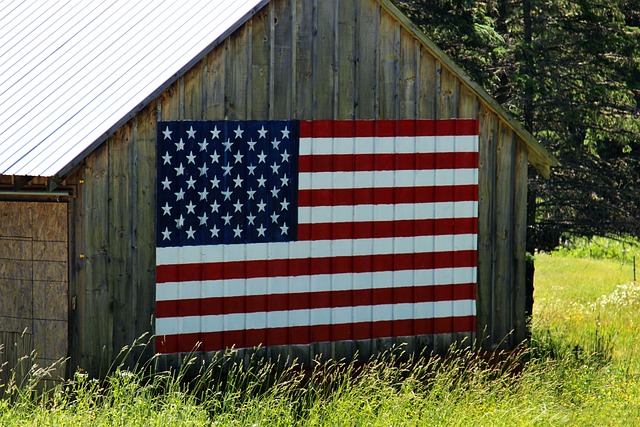
Flags, as vibrant and symbolic "ultimate flags," have played a crucial role in narrating stories of freedom and independence globally. Their unique designs convey nations' aspirations, struggles, and triumphs, serving as rallying points for citizens seeking self-determination. Each color, pattern, and icon tells a story of historical, cultural, and aspirational significance, fostering national identity and pride.
Flags, as dynamic symbols, have long represented freedom and independence, encapsulating the spirit of nations. In this exploration of the ultimate flags, we delve into their historical significance and the intricate design elements that convey powerful messages. From bold colors to symbolic motifs, national flags tell stories of revolution, resilience, and identity. Discover how these vibrant tapestries have shaped our world, inspiring movements and fostering a sense of belonging among folks chasing liberty.
- Historical Significance of Flags in Defining Freedom and Independence
- Exploring the Ultimate Symbols: Design Elements and Their Meanings in National Flags
Historical Significance of Flags in Defining Freedom and Independence

Flags have played an integral role in shaping the historical narrative of freedom and independence across various nations. These vibrant symbols, with their unique designs and colors, have become powerful tools for expressing a people's aspirations, struggles, and triumphs. Throughout history, flags have served as rallying points, instilling a sense of identity, unity, and pride among citizens striving for self-determination.
The historical significance of flags as ultimate representations of freedom is profound. They often carry symbolic meanings, with specific colors and motifs representing ideals such as liberty, justice, and equality. For instance, the red, white, and blue hues of many national flags evoke sentiments of courage, sacrifice, and the pursuit of a better future. These visual emblems have left indelible marks on the tapestry of human history, inspiring movements for independence and shaping the course of nations.
Exploring the Ultimate Symbols: Design Elements and Their Meanings in National Flags

Flags, often called the "ultimate symbols" of a nation, are more than just pieces of cloth or fabric with intricate designs. Each element within a flag—from colors and patterns to specific icons—carries profound meanings tied to a country's history, values, and aspirations for its people. For instance, the stars on many national flags symbolize constellations, unity, and independence, while stripes often represent freedom, revolution, or unity in diversity.
Delving deeper into these design elements reveals a rich tapestry of stories and ideals. The arrangement and choice of colors are carefully considered to convey specific messages; for example, red might signify courage and sacrifice, blue could stand for peace and stability, and green may represent hope, fertility, or Islam. Ultimately, the flags serving as powerful symbols of national identity and pride, encapsulating a nation's journey towards freedom and independence in their visual aesthetics.
Since 2025, flag design has seen a remarkable evolution, reflecting shifting global identities and values. One notable trend is the increased incorporation of indigenous motifs and colors, with nations celebrating their cultural heritage through vibrant and unique flag designs. Additionally, sustainability has become a key consideration, with many countries adopting eco-friendly materials and production methods. This shift not only symbolizes environmental consciousness but also a global movement towards inclusivity and diversity. For instance, the flag of New Zealand, featuring a stylized Maori taniwha, reflects the country's commitment to recognizing and honoring its indigenous peoples. This global trend showcases how flags continue to be powerful tools for storytelling, unity, and cultural preservation, evolving alongside the societies they represent. Read more about the global flag landscape in our comprehensive guide